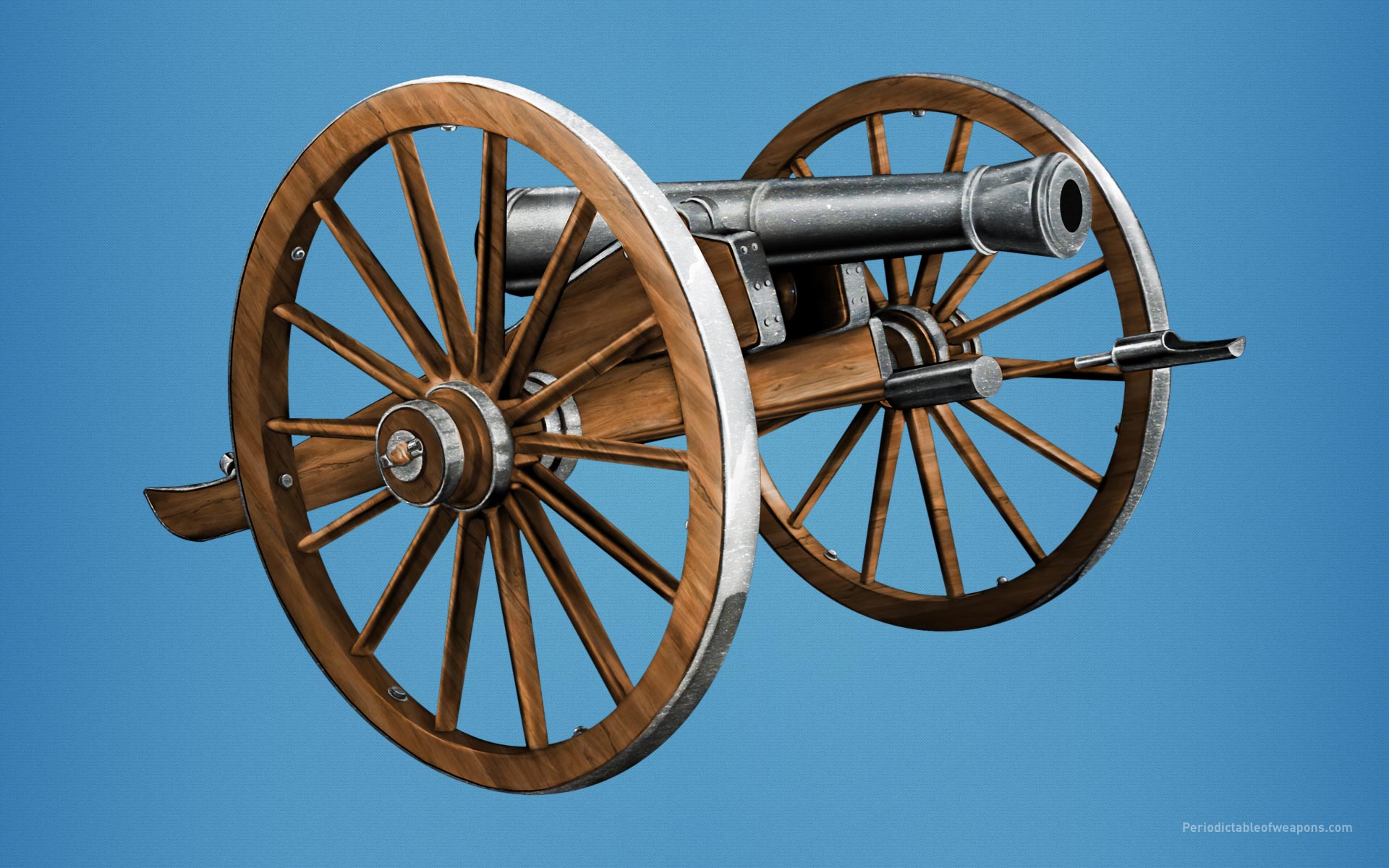
Field Gun
Specifications
- Type
- Artillery
- Origin
- Europe
- Era
- 16th–19th century
- Notable Users
- Napoleonic grand batteries, Gustavus Adolphus' Swedish army
- Epoch
- Early Modern Age
History
The field gun is mobile artillery designed to accompany armies on the march and provide direct fire support on the battlefield. Gustavus Adolphus of Sweden pioneered the use of light, horse-drawn field guns in the Thirty Years’ War (1618–1648), integrating them directly into infantry and cavalry formations. Napoleon elevated field artillery to an art form, massing hundreds of guns into grand batteries that could obliterate enemy formations at ranges of 500–1,200 meters. The combination of solid shot, canister (anti-personnel), and explosive shell gave field guns unmatched versatility.
Significance
The field gun transformed artillery from a siege weapon into a battlefield weapon. Napoleon’s dictum that ‘artillery decides everything’ reflected a new reality: by the 19th century, gunpowder artillery was the decisive arm of war, surpassing both infantry and cavalry.
More from the Early Modern Age
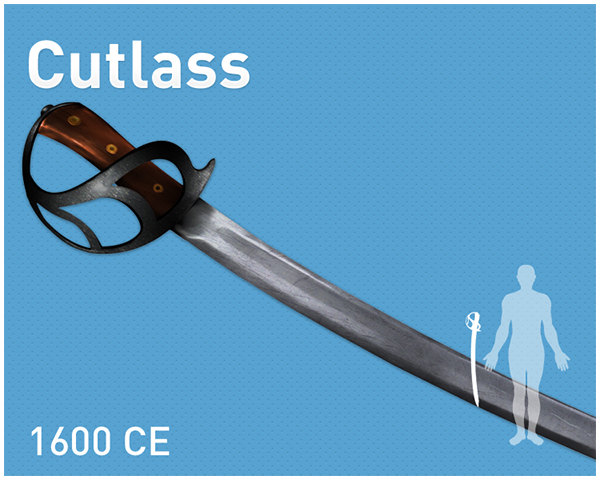
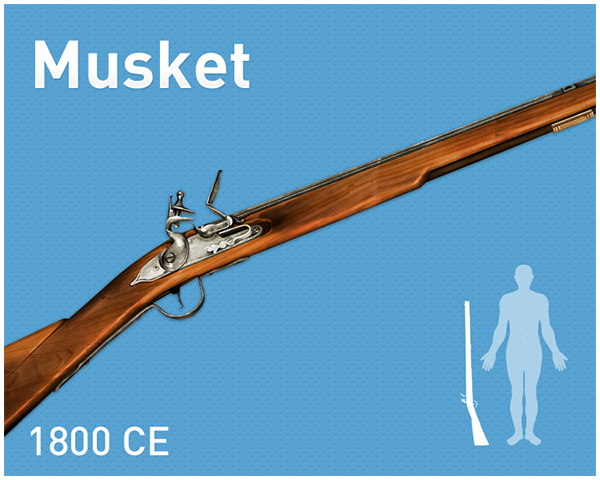
4 weapons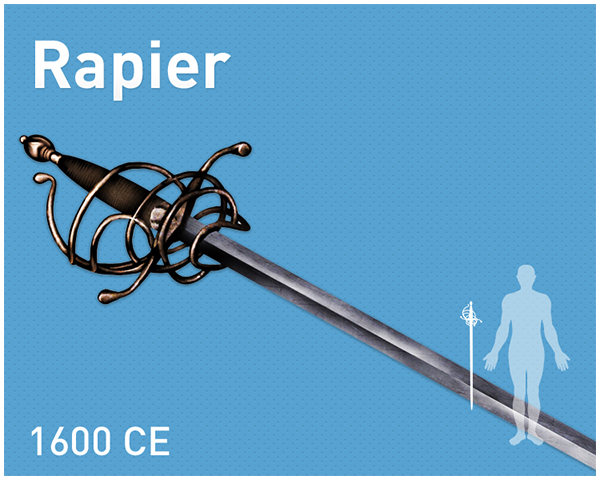
54 Weapons. Five Epochs. One Poster.
The Field Gun is one of 5 weapons from the Early Modern Age featured on the poster.
Get the Poster