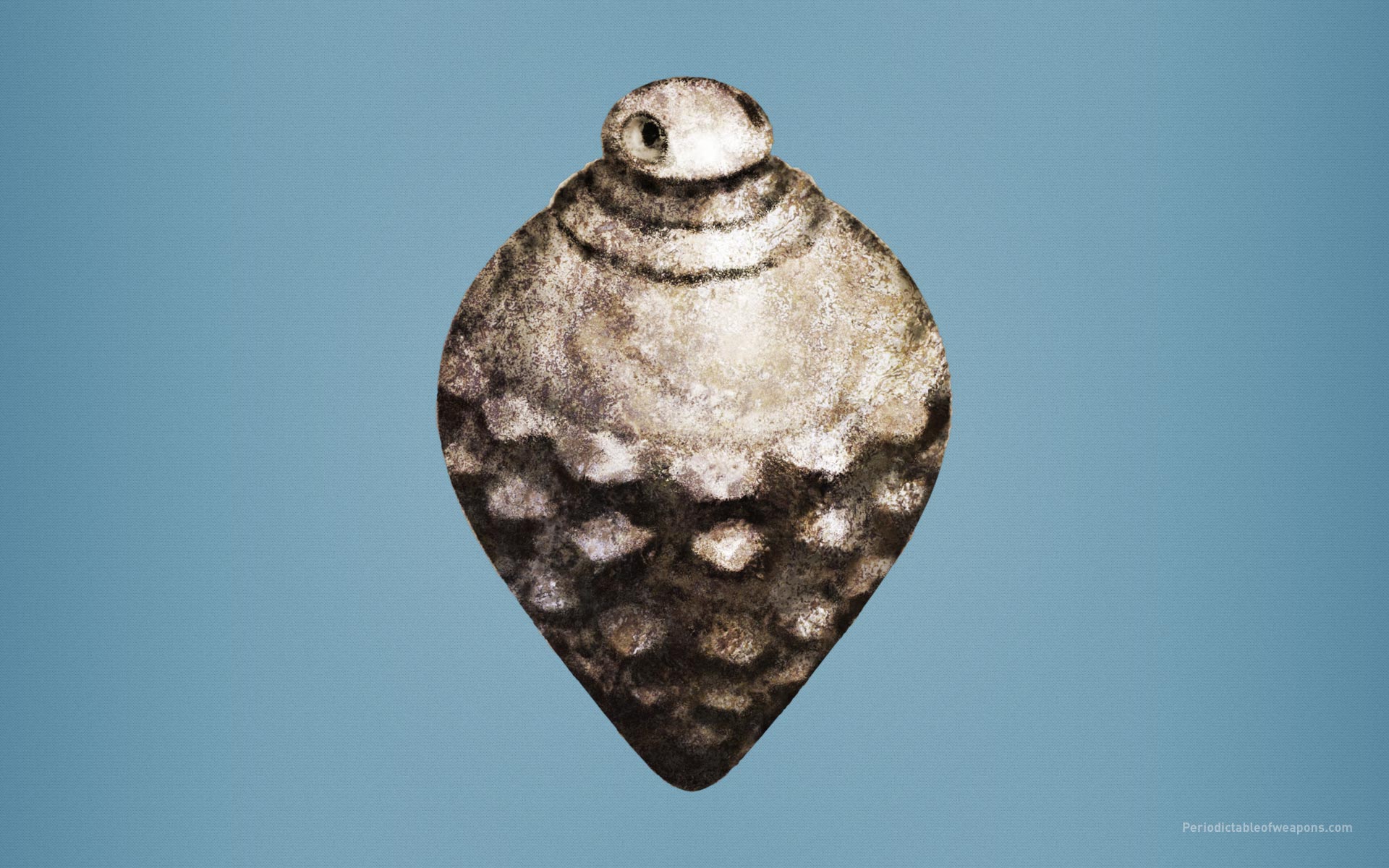
Grenade
Specifications
- Type
- Explosive Projectile
- Origin
- Byzantine Empire / China
- Era
- 8th–10th century
- Notable Users
- Byzantine soldiers, Mamluk warriors, Ottoman janissaries
- Epoch
- Middle Ages
History
The earliest grenades were ceramic or glass containers filled with Greek fire, naphtha, or gunpowder compositions, thrown by hand at enemy fortifications and ships. Byzantine incendiary grenades terrorized Crusader forces. Chinese thunderclap bombs packed with gunpowder, shrapnel, and sometimes poison were documented as early as the 10th century. The name ‘grenade’ derives from the French word for pomegranate, which the weapon resembled. By the 17th century, specialized ‘grenadier’ companies were formed in European armies, composed of the tallest and strongest soldiers who could hurl the heavy iron devices.
Significance
The grenade is the oldest area-effect weapon in the gunpowder era. It introduced the concept of explosive fragmentation — killing through blast and shrapnel rather than direct impact — a principle that dominates modern warfare.
More from the Middle Ages
18 weapons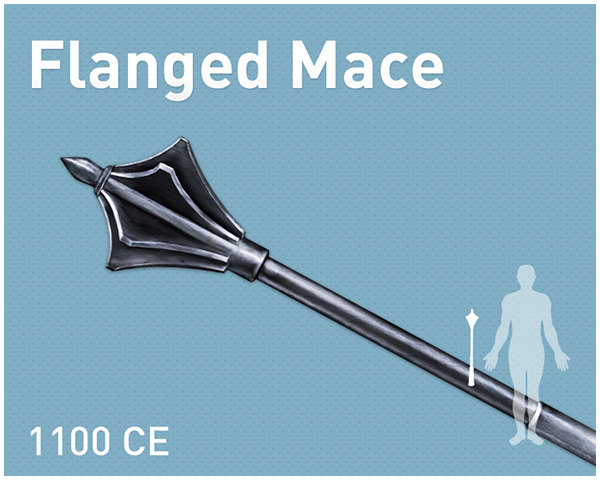
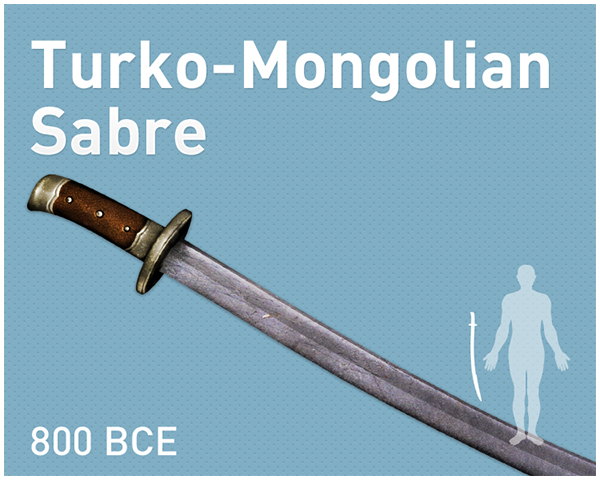
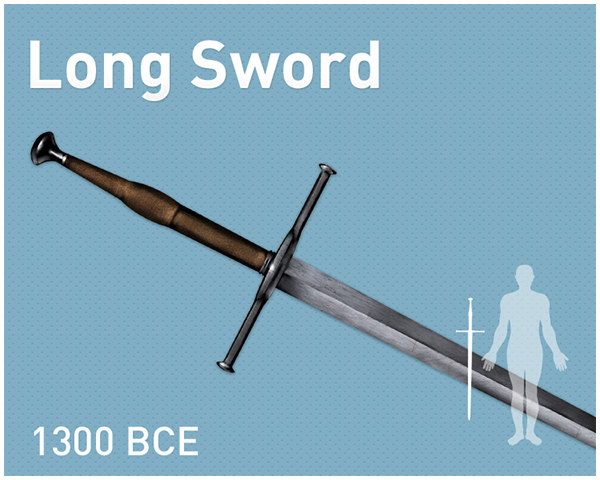
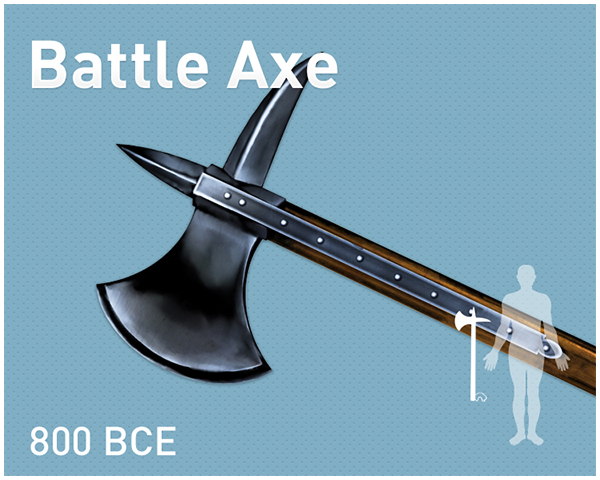
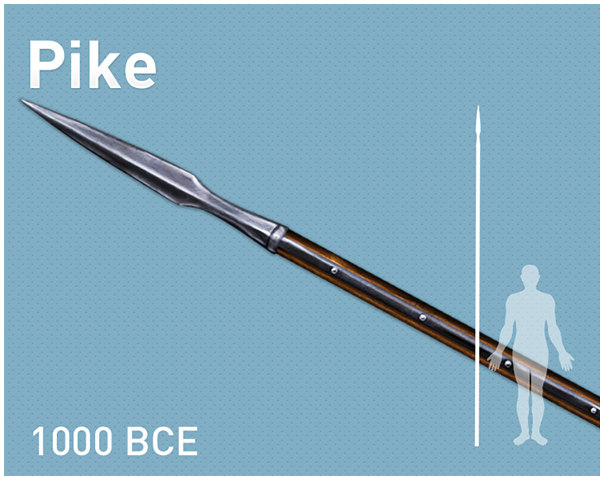
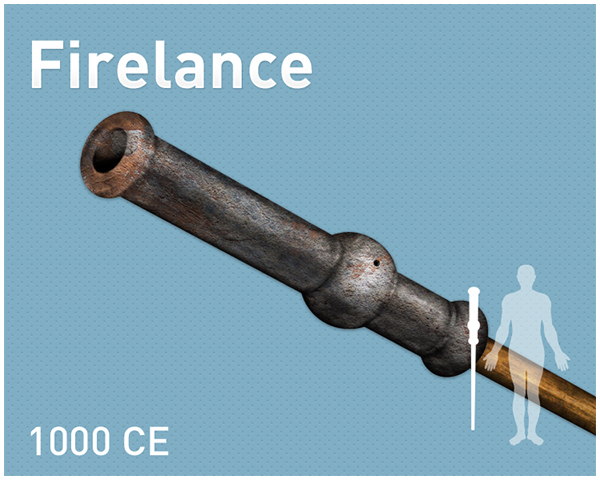
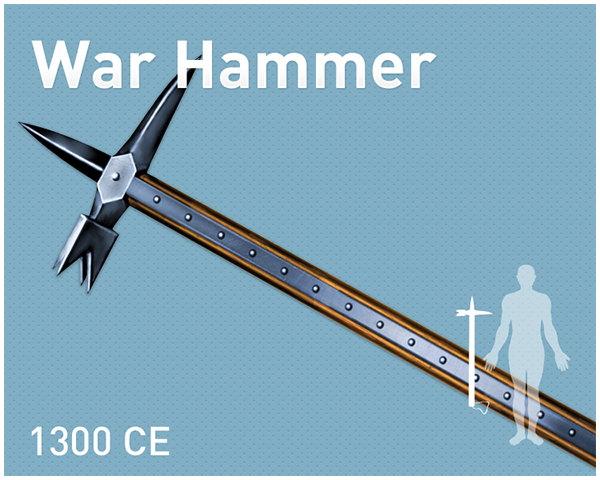
54 Weapons. Five Epochs. One Poster.
The Grenade is one of 19 weapons from the Middle Ages featured on the poster.
Get the Poster