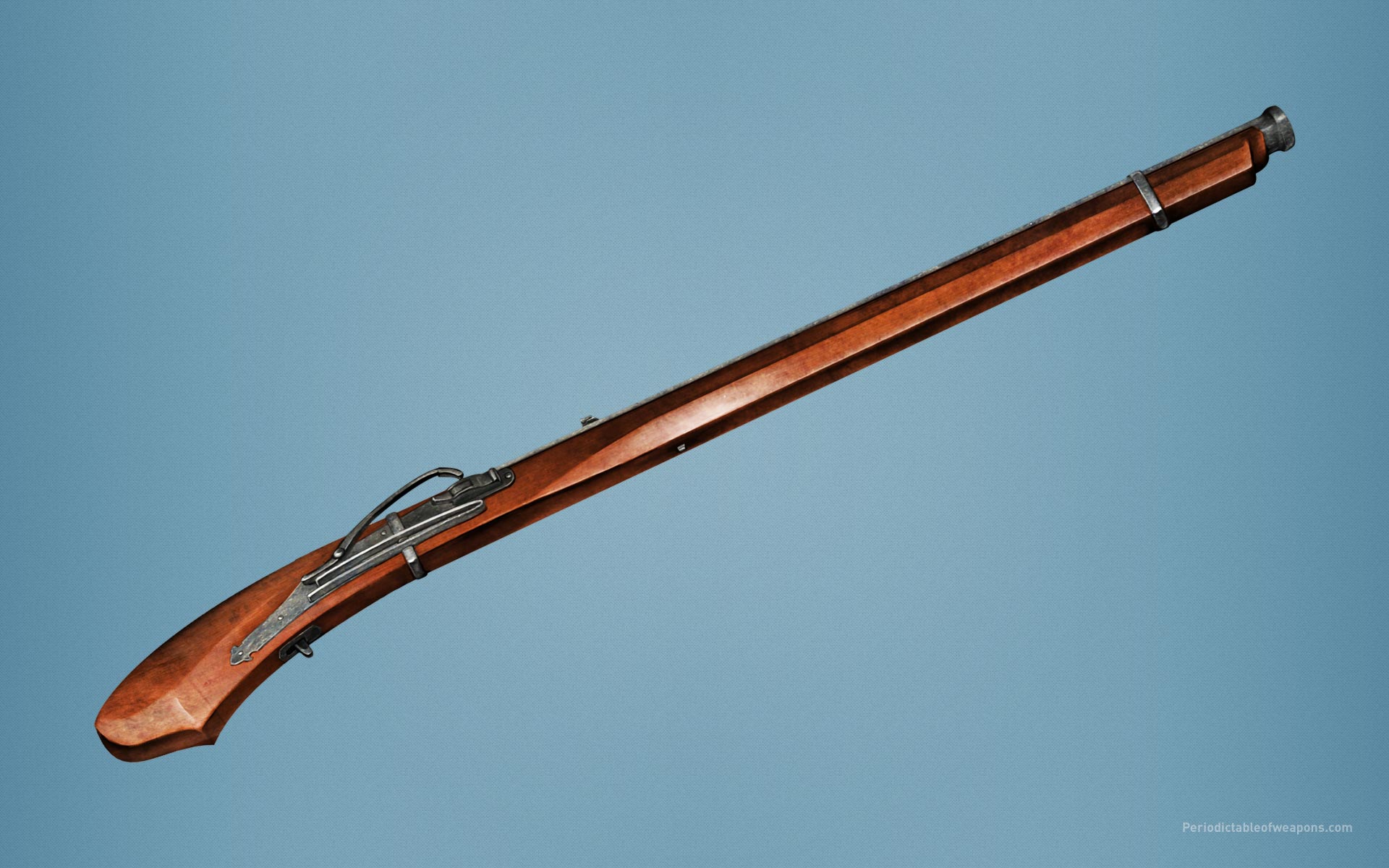
Arquebus
Specifications
- Type
- Matchlock Firearm
- Origin
- Europe
- Era
- 15th–16th century
- Notable Users
- Spanish conquistadors, Ottoman janissaries, Japanese ashigaru
- Epoch
- Middle Ages
History
The arquebus was the first truly practical shoulder-fired gun. Using a matchlock mechanism — a slow-burning fuse clamped in a serpentine lever that was lowered into a flash pan — it could be aimed and fired by a single soldier with modest training. The weapon revolutionized warfare at the Battle of Pavia (1525), where Spanish arquebusiers annihilated French heavy cavalry. In Japan, the introduction of Portuguese arquebus technology in 1543 transformed samurai warfare within a generation. At the Battle of Nagashino (1575), Oda Nobunaga's massed arquebusiers destroyed Takeda cavalry charges behind field fortifications.
Significance
The arquebus ended the age of the armored knight. For the first time, a common soldier with weeks of training could reliably kill a warrior who had trained for a lifetime. The social implications were as revolutionary as the military ones.
More from the Middle Ages
18 weapons
54 Weapons. Five Epochs. One Poster.
The Arquebus is one of 19 weapons from the Middle Ages featured on the poster.
Get the Poster